Rate Buydowns Explained: The 2-1 Strategy That Saves Thousands
A 2-1 buydown can lower your first-year payment by hundreds per month. Here's how it works and when it makes sense.
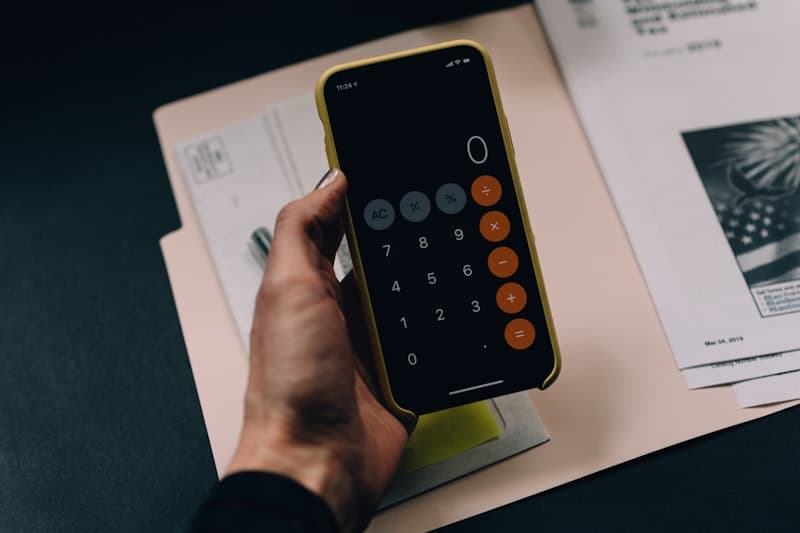
In a higher-rate environment, many buyers feel pressure to wait on the sidelines for rates to drop. But there is a proven strategy that can reduce your payments in the critical early years of homeownership without requiring you to time the market. It is called a rate buydown, and when used correctly, it can save thousands of dollars during the period when cash flow matters most.
How a 2-1 Buydown Works
A 2-1 buydown temporarily reduces your interest rate for the first two years of your loan. In year one, your rate is 2% below the note rate. In year two, it is 1% below. By year three, you pay the full note rate for the remainder of the term. The cost of this reduction is paid upfront at closing, typically by the seller, builder, or lender as a concession.
The Real Dollar Impact
Consider a $500,000 loan at a 6.5% note rate. Without a buydown, your monthly principal and interest payment would be approximately $3,160. With a 2-1 buydown, your first-year payment drops to roughly $2,530 (at 4.5%), and your second-year payment lands around $2,840 (at 5.5%). That is over $11,000 in total savings across those first two years. For many buyers, those savings can cover moving costs, home improvements, or simply provide breathing room as they settle into their new budget.
Who Benefits Most
Buydowns tend to be especially valuable for borrowers who expect their income to increase over the next few years. Young professionals, recent graduates entering high-earning fields, and dual-income households where one partner is returning to work can all benefit from lower initial payments that gradually step up. They also appeal to buyers in markets where sellers are offering concessions to attract offers.
Buydowns vs. Discount Points
It is important not to confuse a buydown with discount points. Discount points permanently reduce your rate for the life of the loan, while a buydown provides temporary relief. Both have their place, and the right choice depends on how long you plan to keep the loan. If you expect to refinance within a few years, a buydown may deliver more value than paying points upfront for a permanent reduction you will not fully realize.
Making the Strategy Work
The most effective use of a buydown involves negotiating it into your purchase agreement. In many transactions, sellers are willing to contribute toward closing costs, and those funds can be directed toward a buydown instead of simply reducing your out-of-pocket expenses at closing. This is a conversation your loan originator and real estate agent should be having early in the process, not as an afterthought.
Run the Numbers Yourself
Compare 3-2-1, 2-1, and 1-0 buydown scenarios with your actual loan amount.
Try the Rate Relief Calculator →A well-structured buydown can turn a rate environment that feels challenging into one that works in your favor. The key is understanding the mechanics and applying them to your specific situation.
Written by
The Katalyst Team
ETHOS Lending, Inc.